
36A Bra Size
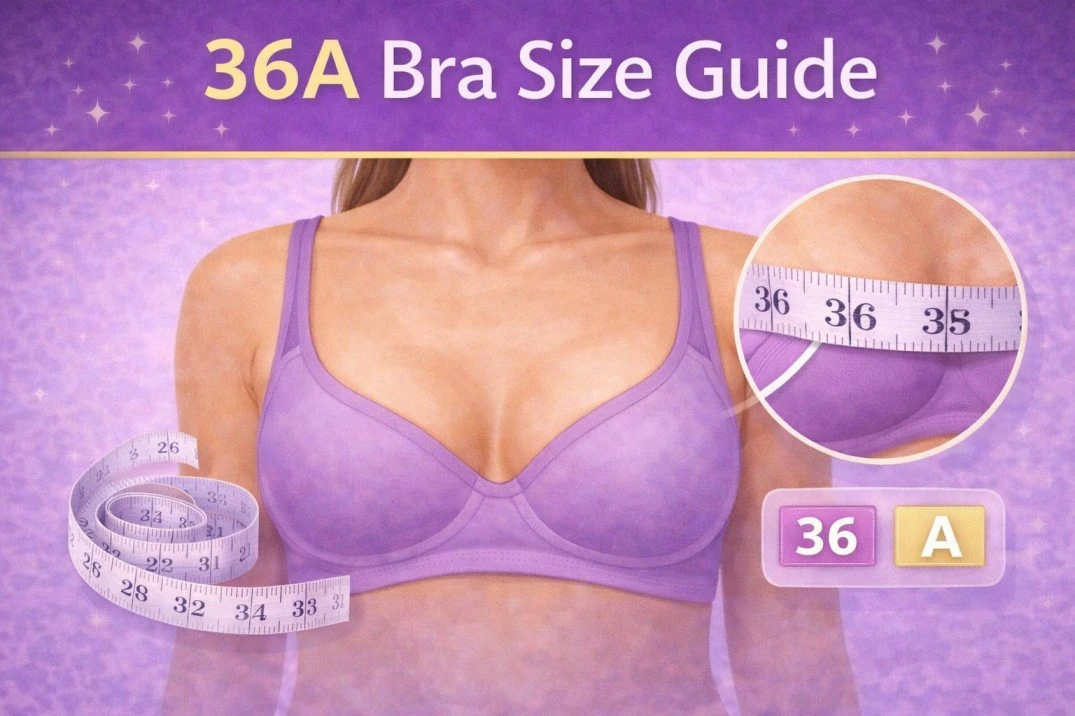
A 36A bra size refers to a bra with a 36-inch underbust band and an A-cup volume, meaning a smaller cup on a wider ribcage. The band provides most of the support by sitting firmly around the body, while the A cup adds light coverage with minimal depth. This creates a fit that feels more structured through the band than the cups.
This blog explains what a 36A bra size means in simple terms, how it fits different body types, how it compares to nearby sizes, and how to check whether it still fits your current measurements.
What Does 36A Bra Size Mean?
A bra size 36A is designed for someone with a 36-inch underbust and a smaller cup volume. The band measurement is taken snugly around the ribcage, which means this size suits a wider or average frame. When people ask what a 36a bra size means, it refers to the balance between a wider band and a light cup. The A cup adds gentle coverage without much depth, so most of the support in this size comes from the band rather than the cups.
For example, if your underbust measures about 36 inches and your bust measures about 37 inches, this size may fit comfortably. 36A bra size often suits people with broader ribcages and a smaller bust, offering a natural, lightweight feel with stable support from the band.
36A Bra Size in Inches and Centimeters
Here is a general measurement breakdown for a 36A bra size in cm and inches.
|
Measurement |
Inches |
Centimeters |
|
Underbust (Band) |
36 |
91–93 |
|
Bust |
37 |
94–96 |
|
Cup Difference |
1 |
2–3 |
36A Cup Size Explained
Breast size 36A looks like a small cup volume sitting on a wider band. The cups provide light coverage with minimal depth, focusing more on shaping than fullness. This size often feels natural and lightweight, with support coming mainly from the band rather than the cups.
Even with the same measurements, breast shape can vary. Some people may have wider-set breasts, while others have a narrower base or more fullness at the bottom. These differences affect how the cups sit and feel, which is why fit can vary even within the same size.
Natural proportions also play a role. On a wider ribcage, a small cup can look and feel different compared to the same cup size on a narrower frame, even if the measurements are similar.
Ideal Body Frames
36A bra size often suits people with a wider ribcage and a petite bust. The broader band provides stability, while the smaller cup keeps the fit lightweight and comfortable.
This size can work well for those who prefer a natural feel without heavy structure. When the band fits properly, it helps maintain good proportion and all-day comfort without relying on cup depth for support.
Comparison Example
Looking at a 36a bra size equivalent helps explain how band and cup balance affect fit. A 34B has a tighter band with slightly more cup volume, which may feel more secure for narrower frames. A 38AA offers a looser band with a smaller cup, which can feel more relaxed around the ribcage. These comparisons show how adjusting the band and cup together can change comfort without changing overall fit goals.
How 36A Boobs Look on Different Body Types
A 36a bra size example shows that comfort and proportion matter more than cup volume alone. How this size feels depends on frame width, ribcage shape, and natural breast structure rather than the letter on the label.
Petite Frames
On petite frames, the wider band may feel slightly loose if the ribcage is narrow. Proper band tension is important to keep the bra secure and prevent shifting.
Average Frames
For average body types, 36A often feels balanced. The band sits evenly around the body, and the cups provide light coverage without excess fabric.
Fuller Ribcage
On a fuller ribcage, the band usually feels supportive and stable. This helps distribute support evenly and reduces reliance on the straps.
Breast Shape Variations
Breast shape plays a big role in fit. Differences in spacing, fullness, or projection can change how the cups sit, even when measurements are the same. Choosing styles that match natural shape often improves comfort.
Best Bra Styles for 36A
Choosing the right bra style can improve comfort and fit when cup volume is smaller, with the band providing most of the support.
T-shirt bras
T-shirt bras work well because they offer smooth cups that sit evenly under clothing. Light structure helps prevent gaping while keeping the fit natural and comfortable for everyday wear.
Lightly lined bras
Lightly lined bras add gentle shape without making the cups feel bulky. They help the cups sit smoothly against the body, especially for those who prefer a little extra coverage.
Bralettes
Bralettes are a comfortable option for relaxed wear. They suit this size well because they provide light support without heavy structure, making them ideal for casual use.
Light support sports bras
Light support sports bras are helpful for low-impact activities. A well-fitted band keeps the bra stable while allowing comfortable movement.
Wireless bras
Wireless bras offer gentle support without pressure from underwires. They work well for 36A, providing comfort and flexibility while maintaining a secure fit.
Sister Sizes of 36A Bra Size
Sister sizing means choosing a different band and cup combination that keeps a similar overall cup volume. This helps adjust comfort without changing how the cups feel.
If the Band Feels Tight
If your 36A band feels snug or uncomfortable, moving up one band size and down one cup size can help.
-
36A → 38AA
This provides more room around the ribcage while keeping a similar cup volume.
If the Band Feels Loose
If the band feels loose or rides up, going one band size down and one cup size up can improve support.
-
36A → 34B
This provides a firmer band with a slightly deeper cup for better stability.
When Sister Sizing Helps
A 36a bra size equivalent is useful when the cups fit well, but the band does not. Sister sizing helps fine-tune comfort and support without changing bra styles or starting the fitting process again.
International Conversion Chart for 36A Bra Size
This chart shows how a 36A bra size is labeled across common international sizing systems.
|
Country / System |
Size |
|
US |
36A |
|
UK |
36A |
|
EU |
80A |
|
FR |
95A |
|
IT |
4A |
|
AU |
14A |
Sizing standards can vary slightly by region, so checking your measurements helps ensure the best fit when comparing international size labels.
Size Comparison and Common Fit Questions
Many people ask whether a 36A bra size is considered small or medium. In most cases, 36A is viewed as a small cup size on a wider band, meaning the cup volume is small even though the band size is larger.
36A vs 34B
When comparing 36a vs 34b, both the cup letter and the band change. A 34B has a tighter band with slightly more cup volume, while 36A has a wider band with a smaller cup. The fit difference is more about ribcage width than breast size.
36A vs 36B
The difference between 36A and 36B bra sizes comes down to cup depth. The band is the same, but a 36B has more cup volume than a 36A. This means more coverage and fullness without changing band fit.
Is 34B or 36A Bigger
A 34B generally has more cup volume than a 36A, even though the band is smaller. This is a good example of how cup letters and band numbers work together to define fit, not size alone.
Common Fit Issues and How to Fix Them
Even when the size seems right, small fit problems can affect comfort and support. These issues are common and usually easy to fix.
Band riding up
If the band moves upward on your back, it is often too loose. A firmer band fit or adjusting to a smaller band size can improve stability and support.
Cup gaping
Gaps in the cups usually mean the cup shape does not match your breast shape or the cups are too large. Trying a different cup style or a better-fitting band can help the cups sit smoothly.
Strap slipping
Slipping straps often happens when the band is not doing enough work. Adjusting the band fit first, then tightening the straps slightly, usually improves support.
When to re-measure
Re-measure if your bra feels uncomfortable, your body changes, or the fit no longer feels supportive. Regular measuring helps keep your size accurate and comfortable.
Tips to Maintain a Perfect Fit
Good care habits and regular checks help bras stay comfortable and supportive over time.
Replacing bras
Bras should be replaced when the band stretches out or the cups lose their shape. Worn bras often stop providing proper support.
Washing care
Gentle washing helps protect fabric and elasticity. Using a mild detergent and air-drying can extend the life of your bras.
Rotation
Rotating between multiple bras prevents overuse of one bra. This helps each bra keep its shape and support longer.
Re-measuring
Re-measuring every few months or after body changes helps ensure your bra size remains accurate and comfortable.
Final Thoughts
The 36A bra size offers a lightweight, natural fit with a wider band and a small cup, making it comfortable for those who need support from the band rather than cup depth. Because body shape, weight, and comfort needs can change over time, re-measuring regularly helps ensure your bras continue to fit well and feel supportive. If your bra feels loose, if there are gaps in the cups, or if it shifts during the day, it may be time to check your size again. Check your measurements using our Bra Size Calculator to find your most accurate fit instantly.
Frequently Asked Questions
What size is a 36A bra?
A 36A bra has a 36-inch band and an A cup, meaning the bust is about one inch larger than the underbust.
What is a 36A bra size equivalent to?
Common sister sizes for 36A include 38AA for a looser band and 34B for a tighter band with slightly more cup depth.
Is a 36A bra size big for a 13-year-old?
Bra size depends on body development, not age. A proper measurement is more important than the number, especially during growth years.
Is a 36A small bra?
Yes, 36A is a small bra size in terms of cup volume, even though the band size itself is wider.